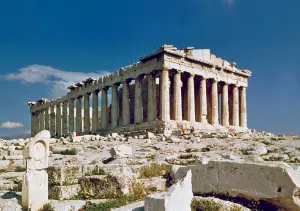
Parthenon
former temple of Athena on the Athenian Acropolis, Greece...
 alpha
alpha
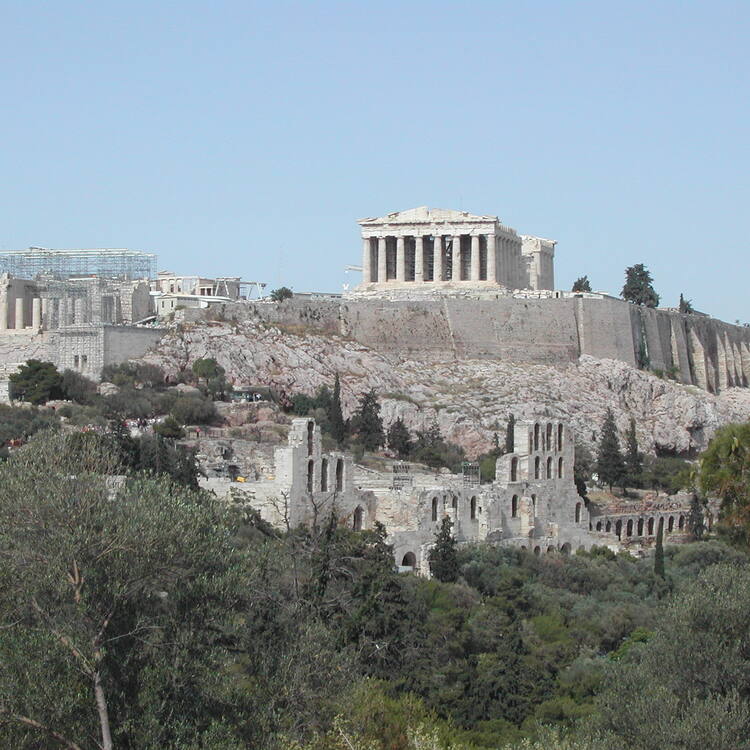
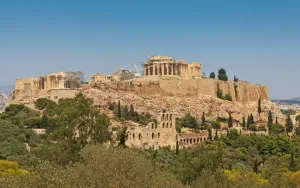
The Acropolis of Athens and its monuments are universal symbols of the classical spirit and civilization and form the greatest architectural and artistic complex bequeathed by Greek Antiquity to the world. In the second half of the fifth century bc, Athens, following the victory against the Persians and the establishment of democracy, took a leading position amongst the other city-states of the ancient world. In the age that followed, as thought and art flourished, an exceptional group of artists put into effect the ambitious plans of Athenian statesman Pericles and, under the inspired guidance of the sculptor Pheidias, transformed the rocky hill into a unique monument of thought and the arts. The most important monuments were built during that time: the Parthenon, built by Ictinus, the Erechtheon, the Propylaea, the monumental entrance to the Acropolis, designed by Mnesicles and the small temple Athena Nike.
Slug: acropolis-athens
relatedTo:
isChildOf:
Location:
Created At: Tue Jan 21 2025 17:47:08 GMT+0000 (Coordinated Universal Time)
Updated At: Tue Mar 25 2025 21:35:44 GMT+0000 (Coordinated Universal Time)
Created By:
Version: 1
Status: test_v1
former temple of Athena on the Athenian Acropolis, Greece...
ancient citadel above the city of Athens...
neighborhood...
museum in Athens, Greece...
museum in Athens, Greece...
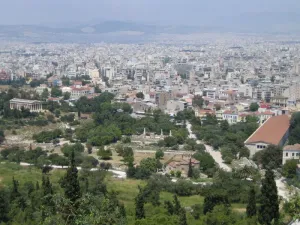
major archaeological site of Athens...
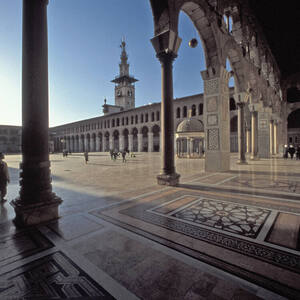
Founded in the 3rd millennium B.C., Damascus is one of...
The vast natural forest of Yellowstone National Park covers nearly...
Situated in the Pacific Ocean some 1,000 km from the...
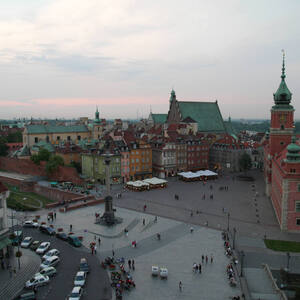
During the Warsaw Uprising in August 1944, more than 85%...
Massive erosion over the years on the Ethiopian plateau has...
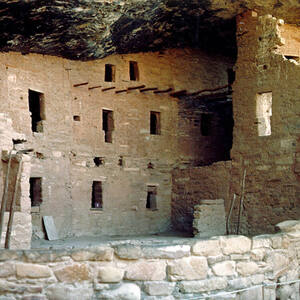
A great concentration of ancestral Pueblo Indian dwellings, built from...