Gonbad-e Kavus
city in Golestan Province, Iran...
 alpha
alpha
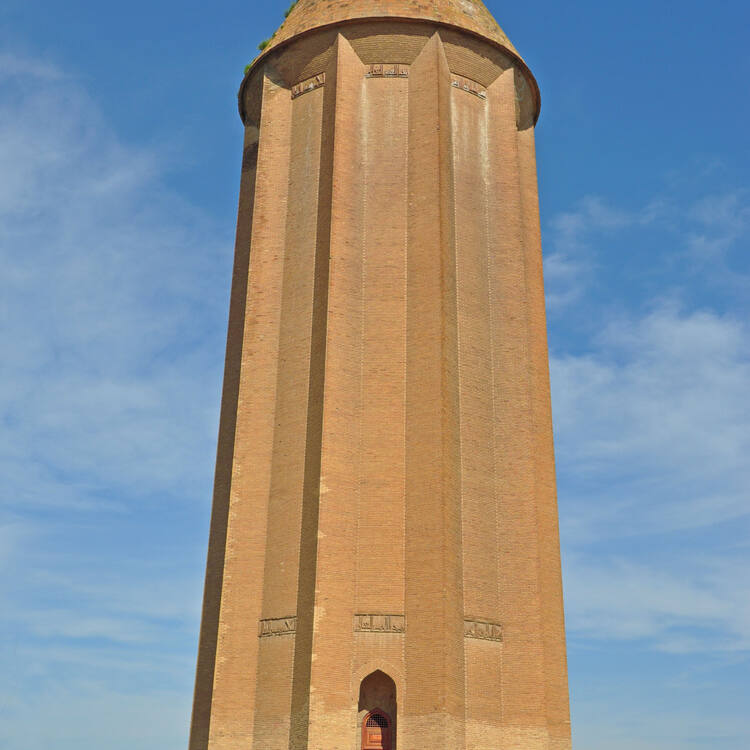
The 53 m high tomb built in ad 1006 for Qābus Ibn Voshmgir, Ziyarid ruler and literati, near the ruins of the ancient city of Jorjan in north-east Iran, bears testimony to the cultural exchange between Central Asian nomads and the ancient civilization of Iran. The tower is the only remaining evidence of Jorjan, a former centre of arts and science that was destroyed during the Mongols’ invasion in the 14th and 15th centuries. It is an outstanding and technologically innovative example of Islamic architecture that influenced sacral building in Iran, Anatolia and Central Asia. Built of unglazed fired bricks, the monument’s intricate geometric forms constitute a tapering cylinder with a diameter of 17–15.5 m, topped by a conical brick roof. It illustrates the development of mathematics and science in the Muslim world at the turn of the first millennium AD.
Slug: gonbad-e-qabus
relatedTo:
isChildOf:
Location:
Created At: Tue Jan 21 2025 20:28:27 GMT+0000 (Coordinated Universal Time)
Updated At: Tue Mar 04 2025 13:34:58 GMT+0000 (Coordinated Universal Time)
Created By:
Version: 1
Status: test_v1
city in Golestan Province, Iran...
Situated in the Pacific Ocean some 1,000 km from the...
The vast natural forest of Yellowstone National Park covers nearly...
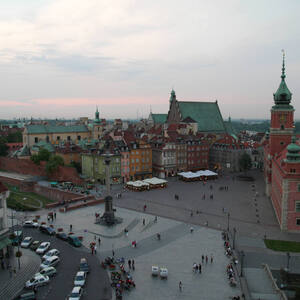
During the Warsaw Uprising in August 1944, more than 85%...
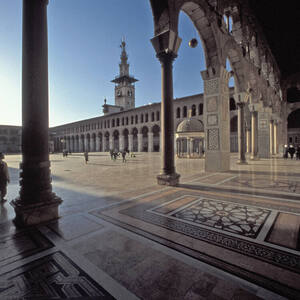
Founded in the 3rd millennium B.C., Damascus is one of...
The contiguous national parks of Banff, Jasper, Kootenay and Yoho,...
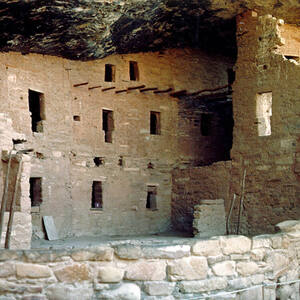
A great concentration of ancestral Pueblo Indian dwellings, built from...
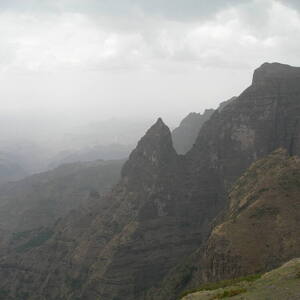
Massive erosion over the years on the Ethiopian plateau has...
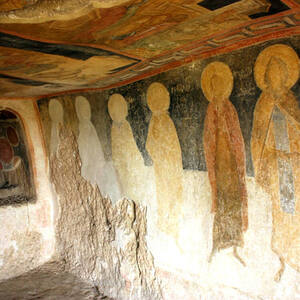
In the valley of the Roussenski Lom River, in north...
The fortified walls, barbed wire, platforms, barracks, gallows, gas chambers...
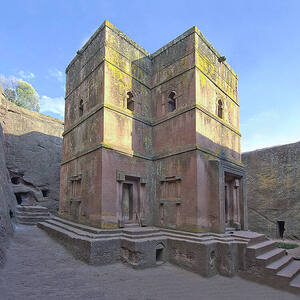
The 11 medieval monolithic cave churches of this 13th-century 'New...
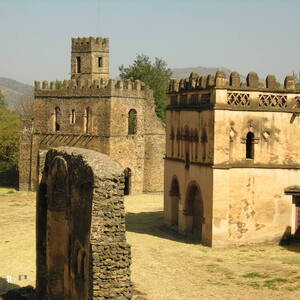
In the 16th and 17th centuries, the fortress-city of Fasil...