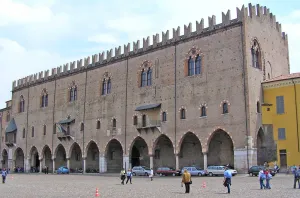
Ducal Palace Museum
museum in Mantua, Italy...
 alpha
alpha
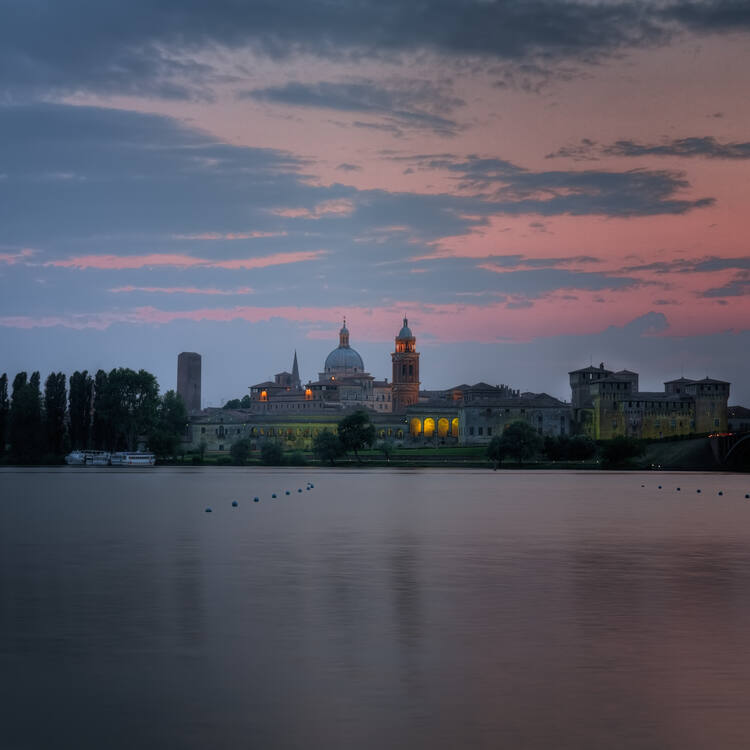
Mantua and Sabbioneta represent two aspects of Renaissance town planning: Mantua shows the renewal and extension of an existing city, while some 30 km away, Sabbioneta represents the implementation of the period’s theories about planning the ideal city. Typically, Mantua’s layout is irregular with regular parts showing different stages of its growth since the Roman period and includes many historical buildings, among them an 11th century rotunda and a Baroque theatre. Sabbioneta, created in the second half of the 16th century under the rule of Vespasiano Gonzaga Colonna, can be described as a single-period city and has a right-angle grid layout. Both cities offer exceptional testimonies to the urban, architectural and artistic realizations of the Renaissance, linked through the visions and actions of the ruling Gonzaga family. The two towns are important for the value of their architecture and for their prominent role in the dissemination of Renaissance culture. The ideals of the Renaissance, fostered by the Gonzaga family, are present in the towns’ morphology and architecture.
Slug: mantua-and-sabbioneta
relatedTo:
isChildOf:
Location:
Created At: Tue Jan 21 2025 20:08:57 GMT+0000 (Coordinated Universal Time)
Updated At: Tue Mar 04 2025 13:34:58 GMT+0000 (Coordinated Universal Time)
Created By:
Version: 1
Status: test_v1
museum in Mantua, Italy...
museum in Italy...
museum in Italy...

lapidary museum in Verona, Italy...
castle...
city in Veneto, northern Italy...
Situated in the Pacific Ocean some 1,000 km from the...
The vast natural forest of Yellowstone National Park covers nearly...
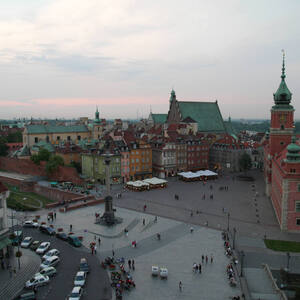
During the Warsaw Uprising in August 1944, more than 85%...
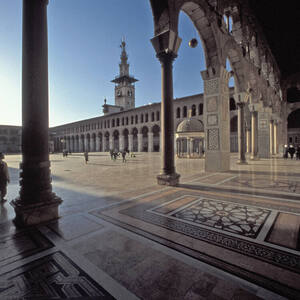
Founded in the 3rd millennium B.C., Damascus is one of...
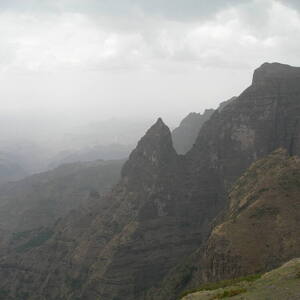
Massive erosion over the years on the Ethiopian plateau has...
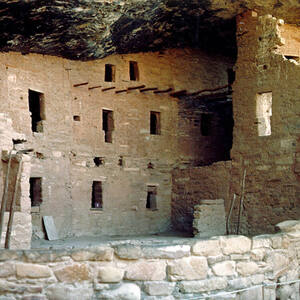
A great concentration of ancestral Pueblo Indian dwellings, built from...