Peja
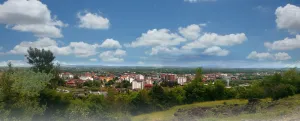
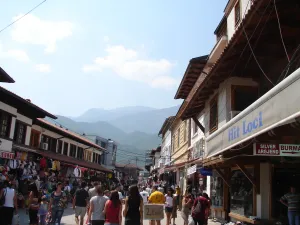
city in Kosovo...
 alpha
alpha
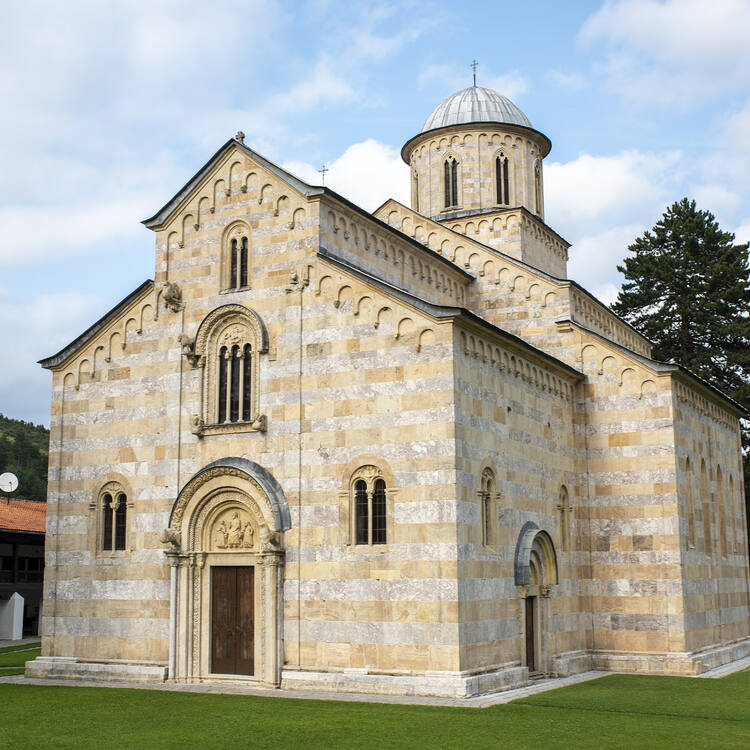
The four edifices of the site reflect the high points of the Byzantine-Romanesque ecclesiastical culture, with its distinct style of wall painting, which developed in the Balkans between the 13th and 17th centuries. The Dečani Monastery was built in the mid-14th century for the Serbian king Stefan Dečanski and is also his mausoleum. The Patriarchate of Peć Monastery is a group of four domed churches featuring series of wall paintings. The 13th-century frescoes of the Church of Holy Apostles are painted in a unique, monumental style. Early 14th-century frescoes in the church of the Holy Virgin of Ljevisa represent the appearance of the new so-called Palaiologian Renaissance style, combining the influences of the eastern Orthodox Byzantine and the Western Romanesque traditions. The style played a decisive role in subsequent Balkan art.
Slug: medieval-monuments-in-kosovo
relatedTo:
isChildOf:
Location:
Created At: Tue Jan 21 2025 18:40:37 GMT+0000 (Coordinated Universal Time)
Updated At: Tue Mar 04 2025 13:34:56 GMT+0000 (Coordinated Universal Time)
Created By:
Version: 1
Status: test_v1
city in Kosovo...
village in Kosovo...
village in Kosovo...
town in Kosovo...
town in Montenegro...
town in Kosovo...
Situated in the Pacific Ocean some 1,000 km from the...
The vast natural forest of Yellowstone National Park covers nearly...
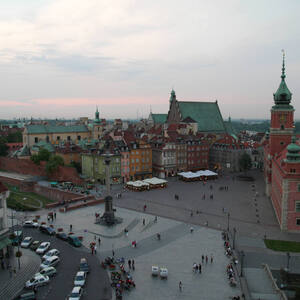
During the Warsaw Uprising in August 1944, more than 85%...
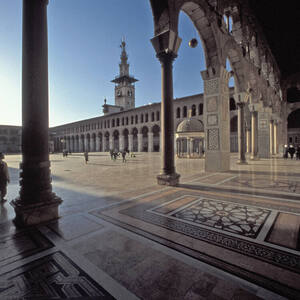
Founded in the 3rd millennium B.C., Damascus is one of...
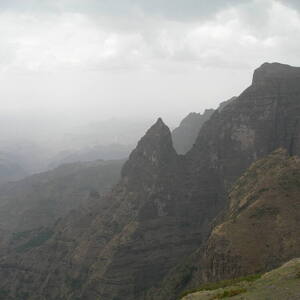
Massive erosion over the years on the Ethiopian plateau has...
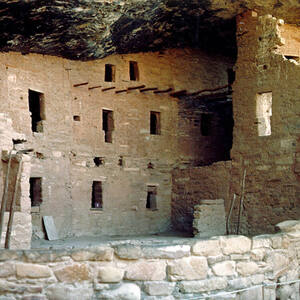
A great concentration of ancestral Pueblo Indian dwellings, built from...