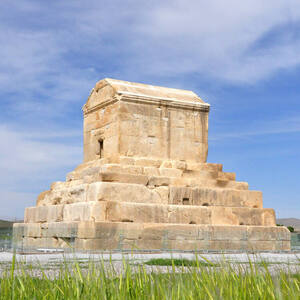
Pasargadae
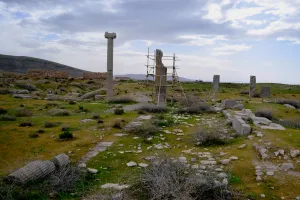
Pasargadae was the first dynastic capital of the Achaemenid Empire,...
 alpha
alpha
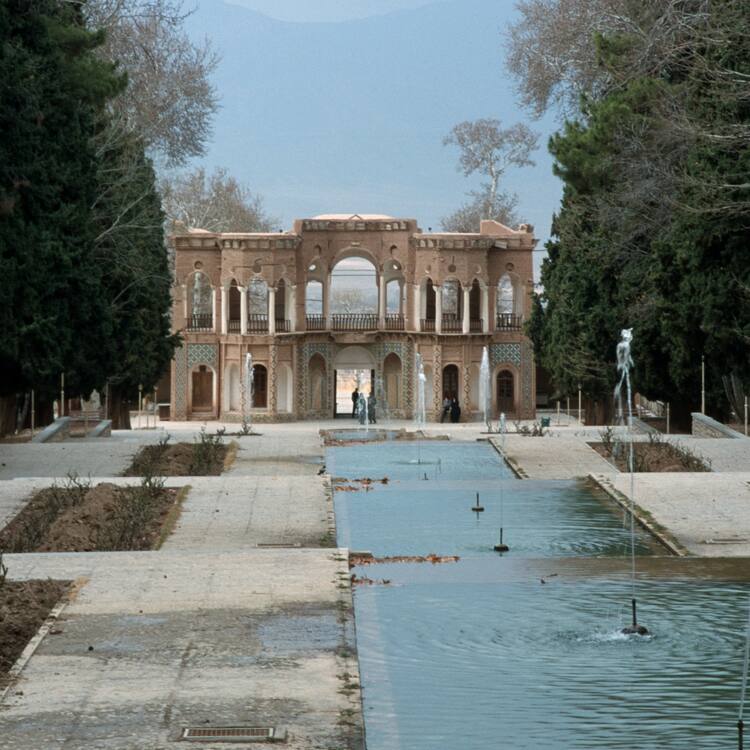
The property includes nine gardens in as many provinces. They exemplify the diversity of Persian garden designs that evolved and adapted to different climate conditions while retaining principles that have their roots in the times of Cyrus the Great, 6th century BC. Always divided into four sectors, with water playing an important role for both irrigation and ornamentation, the Persian garden was conceived to symbolize Eden and the four Zoroastrian elements of sky, earth, water and plants. These gardens, dating back to different periods since the 6th century BC, also feature buildings, pavilions and walls, as well as sophisticated irrigation systems. They have influenced the art of garden design as far as India and Spain.
Slug: the-persian-garden
relatedTo:
isChildOf:
Location:
Created At: Tue Jan 21 2025 20:23:33 GMT+0000 (Coordinated Universal Time)
Updated At: Tue Mar 04 2025 13:34:58 GMT+0000 (Coordinated Universal Time)
Created By:
Version: 1
Status: test_v1
Pasargadae was the first dynastic capital of the Achaemenid Empire,...
tomb in Pasargadae, Iran...
human settlement...
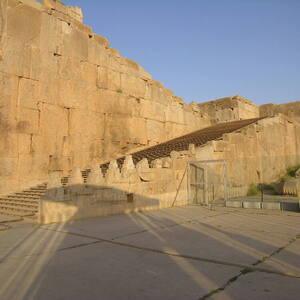
Founded by Darius I in 518 B.C., Persepolis was the...
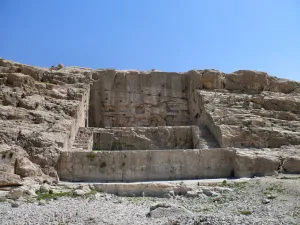
rock-cut monument in Fars, Iran...
Situated in the Pacific Ocean some 1,000 km from the...
The vast natural forest of Yellowstone National Park covers nearly...
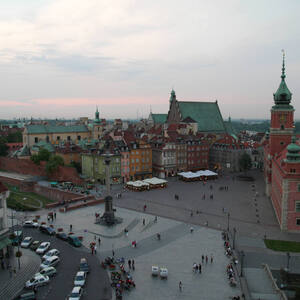
During the Warsaw Uprising in August 1944, more than 85%...
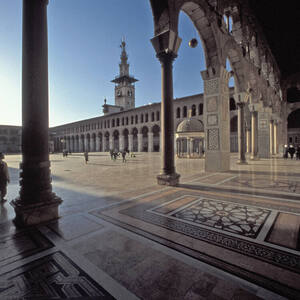
Founded in the 3rd millennium B.C., Damascus is one of...
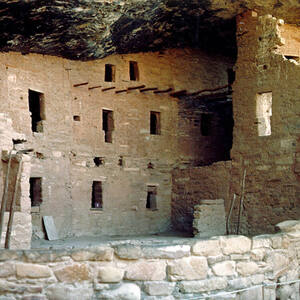
A great concentration of ancestral Pueblo Indian dwellings, built from...
The contiguous national parks of Banff, Jasper, Kootenay and Yoho,...
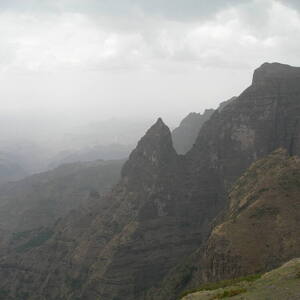
Massive erosion over the years on the Ethiopian plateau has...